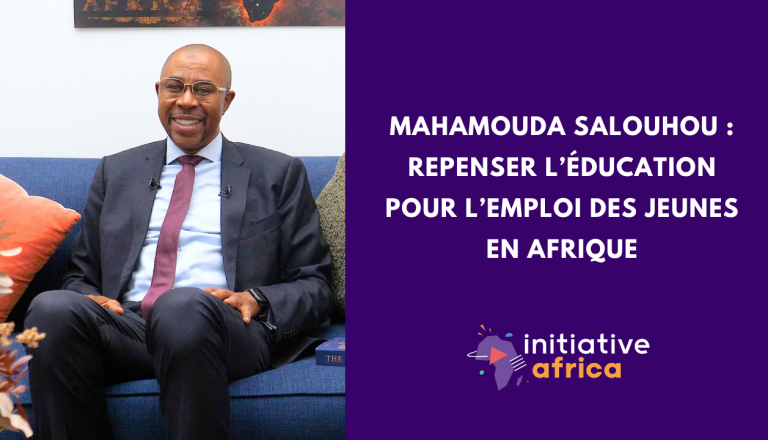
Mahamouda Salouhou: Rethinking Education for Youth Employment in Africa

Mahamouda Salouhou: Rethinking Education for Youth Employment in Africa
12/36

142 vues

In this interview, Initiative Africa speaks with Mahamouda Salouhou, professor and researcher specializing in educational innovation and workforce development. Faced with the gap between the number of young graduates entering the African labour market each year and the formal jobs available, he advocates for an approach focused on skills, professional development, and the ability to provide concrete proof of what one can do. From founding universities in Africa to his own personal journey, he discusses how education can better prepare African youth for the world of work and provide them with the tools to turn their potential into real opportunities. Journalist: Asha Sumputh

See the retranscription
Retranscription


Maria Luisa Arango

See also

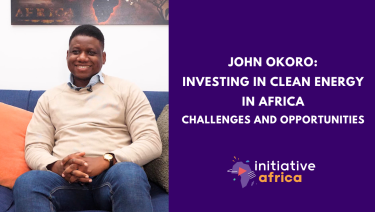
John Okoro: Investing in Clean Energy in Africa – Challenges and Opportunities

John Okoro: Investing in Clean Energy in Africa – Challenges and Opportunities

In this interview, Initiative Africa speaks with John Okoro, an energy and infrastructure expert who has worked across more than 30 African countries, about the challenges and opportunities shaping Africa's clean energy transition. With hundreds of millions of Africans still lacking access to electricity, he discusses the barriers to financing clean energy projects, investors' perceptions of risk, and the need for business models that make electricity affordable for local communities. From Kenya and Burundi to Nigeria and Zanzibar, John Okoro explores the initiatives transforming the energy sector, including renewable energy development, battery storage, smart grids and local manufacturing. He also shares his perspective on Africa's next major investment opportunities, particularly at the intersection of energy, artificial intelligence and data centres. Journalist: Asha Sumputh

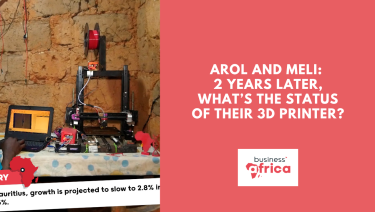
Arol and Meli: 2 years later, what’s the status of their 3D printer?

Arol and Meli: 2 years later, what’s the status of their 3D printer?

Two years after its first report on their 3D printer project in Cameroon, Business Africa reconnects with Harold and his team to explore how their innovation has progressed and the challenges that continue to hold it back. As the team develops a fourth, more precise and advanced model, securing funding remains a major obstacle, despite winning several innovation competitions. Now based in Italy, Harold reflects on the collaboration opportunities that emerged after the first report and the challenges of turning a technical innovation into a commercial business. Meanwhile, his collaborator in Cameroon continues developing the printer, with the ambition of completing the project, bringing it to market, and showcasing the potential of African technological innovation. Journalist : Asha Sumputh

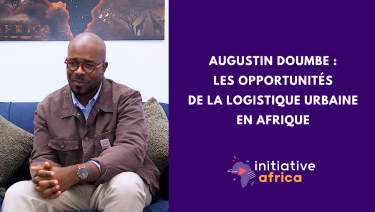
Augustin Doumbe: Opportunities in Africa’s Urban Logistics Industry

Augustin Doumbe: Opportunities in Africa’s Urban Logistics Industry

In this interview, Initiative Africa speaks with Augustin Doumbe, entrepreneur and founder of Delivery Academy, about the rapid growth of urban logistics and the opportunities emerging across the African continent. Drawing on his experience in transport and last-mile delivery, he discusses the challenges of profitability, financing and professional training faced by entrepreneurs. He also explores the role of women in a traditionally male-dominated industry, the importance of digitalisation, and the future of logistics in Africa. This conversation highlights what it takes to build sustainable businesses and support a new generation of African entrepreneurs in a rapidly evolving sector. Journalist: Asha Sumputh

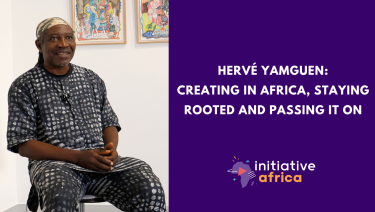
Hervé Yamguen: Creating in Africa, Staying Rooted and Passing It On

Hervé Yamguen: Creating in Africa, Staying Rooted and Passing It On

In this interview, Initiative Africa speaks with Hervé Yamguen, Cameroonian artist and co-founder of Cercle Kapsiki, about artistic creation in Africa, access to art, and the development of a strong cultural ecosystem on the continent. From his early days in Douala to his international career, he reflects on his decision to continue creating from Cameroon, the importance of bringing art into local communities, and the need for African artists to remain connected to their cultures and roots. He also shares his vision of transmission, identity, and the role art can play in reshaping our relationship with cities, the living world, and the preservation of nature. Journalist: Asha Sumputh